
Vocational Education & Training
What is Vocational Education and Training
Vocational Education and Training (VET) allows students to earn national qualifications while still in school, supporting various industry pathways. VET studies are integrated with school subjects and contribute to the completion of the South Australian Certificate of Education (SACE).
Mount Gambier High School offers a range of qualifications that link to both employment pathways and university studies. These qualifications provide students with the skills and knowledge necessary for future careers. Students benefit from courses offered by local Registered Training Organisations (RTOs) and, from 2026, the Limestone Coast Technical College.
Why Choose VET?
Completing a VET course offers numerous benefits, including:
- Developing practical, work-related skills that enhance employability
- Gaining an understanding of real-life work environments
- Acquiring industry-specific knowledge and experience before committing to a career
- Getting a head start in a chosen pathway before leaving school
- Achieving dual accreditation, as VET achievements contribute to SACE
- In some cases, contributing VET courses towards the Australian Tertiary Admission Rank (ATAR) for university entrance, provided a full Certificate III is completed

Flexible Industry Pathways
Flexible Industry Pathways (FIPs) give students the opportunity to gain real-world skills, knowledge, and qualifications while completing their SACE. Developed in consultation with industry, FIPs prepare students for employment or further study in South Australia’s key growth sectors.
Programs combine SACE subjects with nationally recognised training, industry immersion, and hands-on learning. Pathways are tailored to individual student interests, strengths, and entry levels, ensuring relevance to future career opportunities.
Through FIPs, students can:
- Gain industry-endorsed skills and experience
- Complete SACE curriculum in a practical context
- Access clear pathways into employment, apprenticeships, or further education
School-Based Apprenticeships (SBA)
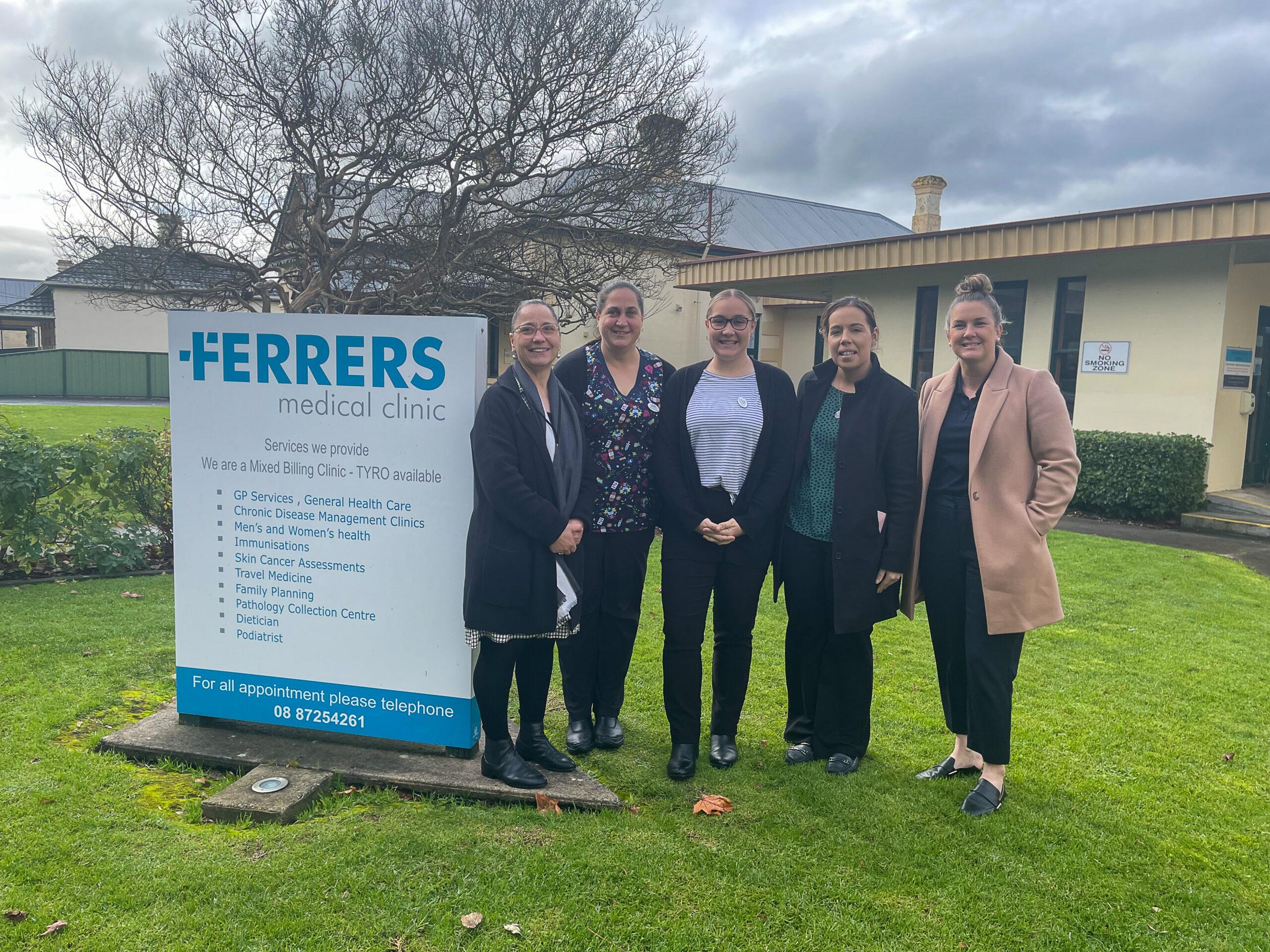
A School-Based Apprenticeship (SBA) allows senior students to start a career while completing their SACE at Mount Gambier High School. Students combine school studies with part-time paid work in their chosen field, with training delivered through industry-preferred organisations. This training contributes directly to SACE credits and may take place either in blocks at trade school or on the job, depending on the employer.
While at school, students continue to complete their required SACE subjects in Years 11 and 12. As their apprenticeship progresses, workplace hours can be increased through negotiation with the school and employer.
Work Experience
Work experience:
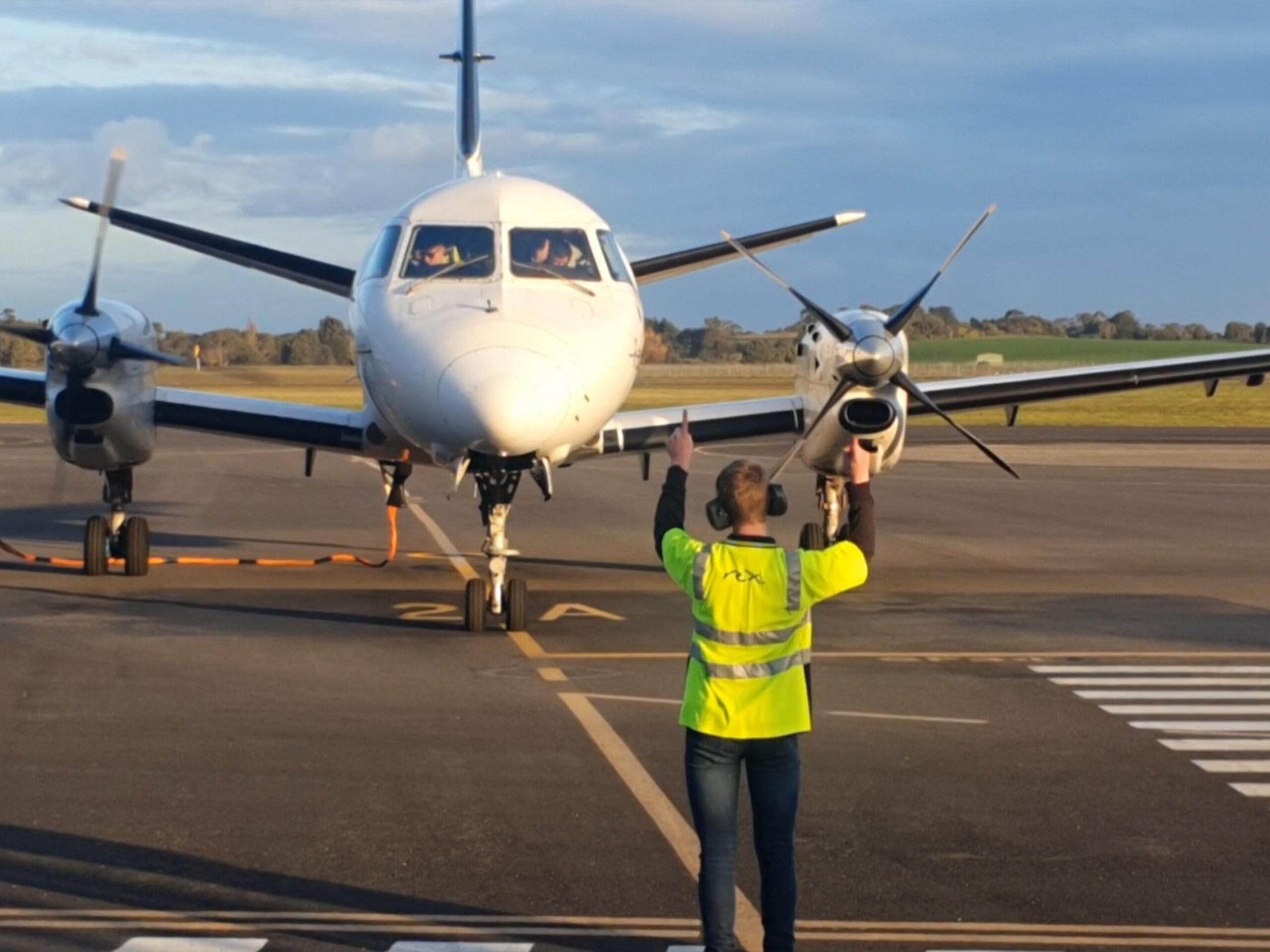
- Provides valuable insight into the day-to-day realities of different jobs.
- Helps students decide whether to pursue VET courses, apprenticeships, or other career pathways.
- Supports the Exploring Identities and Futures (EIF) course, allowing students to reflect on their experiences and connect them with their personal goals.
By the end of Year 10, students will have gained practical experience, built industry connections, and developed a clearer understanding of the pathways open to them.
Popular VET Certificates offered at Mount Gambier High School
-
- Certificate II in Electrotechnology
- Certificate II in Construction Pathways
- Certificate III in Allied Health Assistance (LCTC)
- Certificate III in Early Childhood Education and Care (LCTC)
- Certificate III in IT
- Certificate III in Individual Support (Ageing and/or Disability)
- Multi-Trades (LCTC)
Year 10 Immersion Program
At Mount Gambier High School, we believe Year 10 is a vital year for students to begin shaping their future pathways. All students take part in our Career Education program, designed to build awareness of the opportunities available to them beyond school.
The program includes:
- Workshops that develop career planning skills, employability skills, and goal setting.
- Industry site visits where students experience different workplaces first-hand and learn directly from employers.
- Micro-credentials that allow students to gain recognised skills in areas valued by industry.
This immersive approach helps students connect their learning to the real world while exploring a wide range of industries.